
Manufacturing Areas
Where our engineers configure the systems that run manufacturing.
How our Process Automation Engineers deliver DCS and MES integration across every process environment in biotech and pharmaceutical manufacturing.
Overview
How We Work Across Manufacturing
We work in specific manufacturing environments — configuring DCS and MES systems that are standardised, integrated and designed to talk to each other seamlessly. The DCS controls the process in real time. The MES executes the recipe, manages the batch record and captures the electronic data. When those two systems are properly configured and properly connected, the process runs consistently, the data is complete and the batch record is ready for review without a manual compilation exercise.
That is what our Process Automation Engineers deliver — across every area of the biotech and pharma facility. Not two separate systems described in two separate documents, but one connected architecture where a DCS event triggers the correct MES workflow automatically, and where the batch record reflects exactly what the process did, in real time.

Mammalian Cell Culture
Our Process Automation Engineers have configured DCS and MES systems across the full mammalian manufacturing train — from seed train automation through capture chromatography, viral inactivation, downstream polishing and UF/TFF through to bulk drug substance formulation. We understand what is happening inside the vessel, not just what the control system needs to do. That understanding is what allows us to find a control gap in the viral inactivation hold sequence or a recipe logic issue in the polishing chromatography before it becomes a validation finding rather than after.
The DCS controls the process. The MES runs the recipe and captures the batch record. We configure them as an integrated system — standardised interfaces, consistent data structures, seamless handoff between process steps — so that the batch record reflects exactly what the process did, in real time, without operator transcription.
Microbial Fermentation
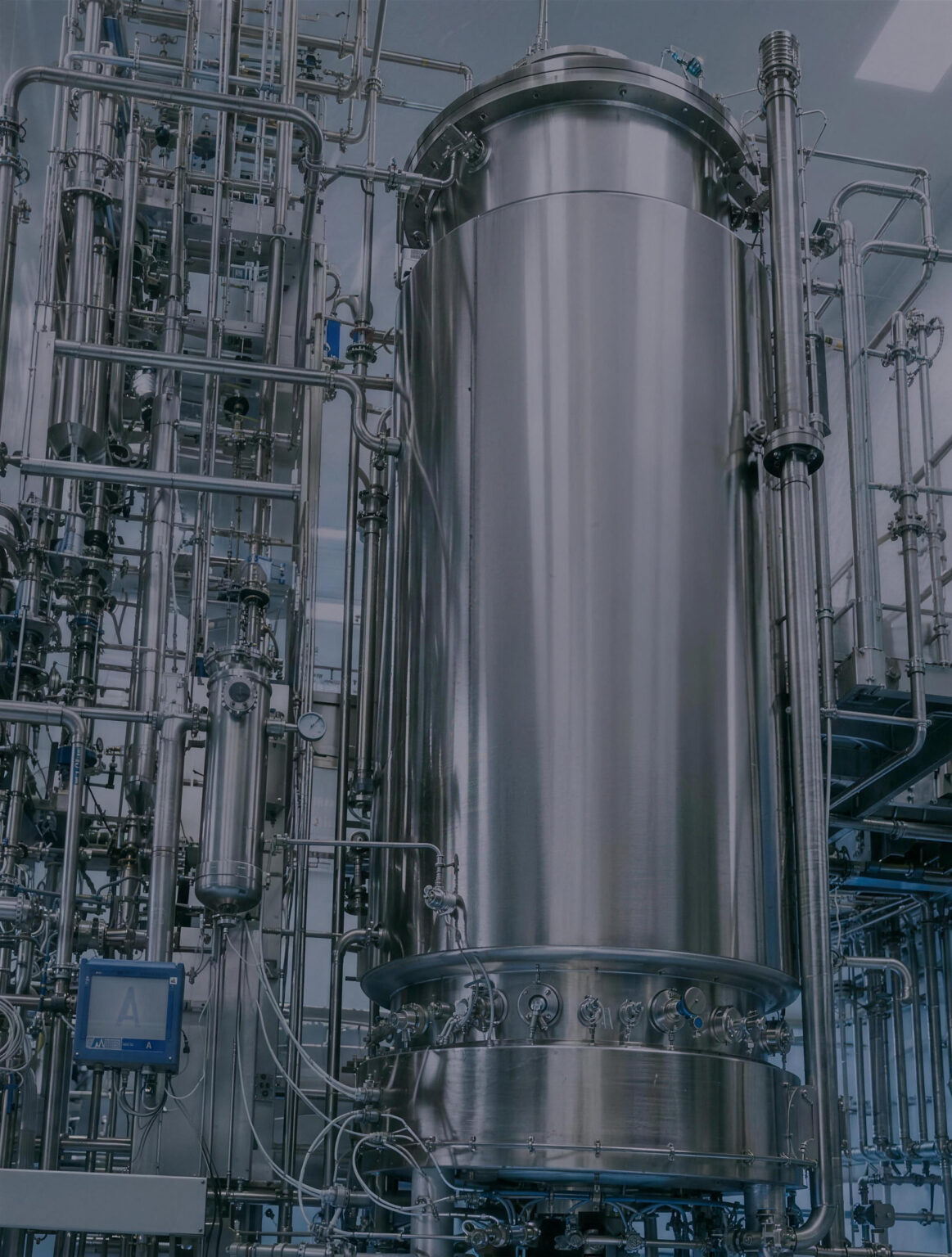
Microbial fermentation is faster, more aggressive and less forgiving than mammalian cell culture. Growth rates are higher, oxygen demand more volatile, and the induction phase — where the culture switches from growing biomass to producing the target protein — is where most DCS implementations fall short. Standard out-of-the-box DCS configuration cannot define the threshold for induction and respond to it automatically. Our Process Automation Engineers configure the full fermentation control sequence as an integrated DCS and MES system — DO cascade, feed management, foam control and automated induction — running from inoculation to harvest without requiring an operator to make real-time process decisions.
Antibody Drug Conjugates (ADC)
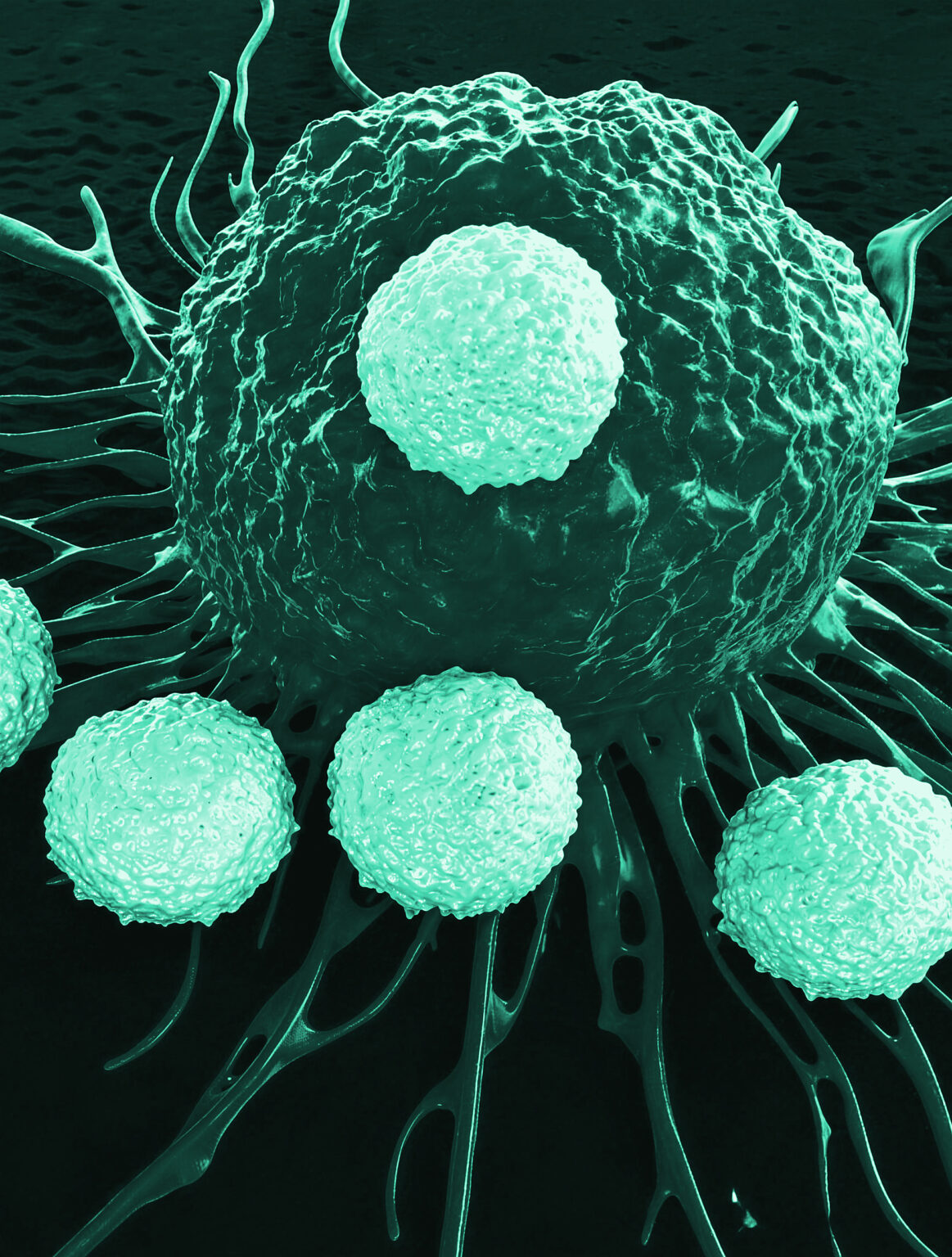
ADC manufacturing is the most technically demanding and fastest-growing process type in biotech. It combines two complete manufacturing pathways — the biological production of the antibody and the chemical synthesis of the cytotoxic payload — and brings them together in a conjugation reaction that requires precise chemical control, containment engineering and a downstream purification train significantly more complex than standard mAb downstream. Our Process Automation Engineers understand the full sequence and configure the DCS and MES integration to match every step — as one connected system, not a series of standalone skid controllers.
The containment requirement defines the engineering approach throughout. Every system touching post-conjugation material is an HPAPI exposure risk if the automation has a gap. Every transfer, every filtration step, every chromatography column is a potential breach point if the DCS interlocks are not designed correctly. We build the control architecture so the safety case is enforced by the system, not dependent on an operator making the right decision under pressure.
Fill-Finish & Aseptic Processing
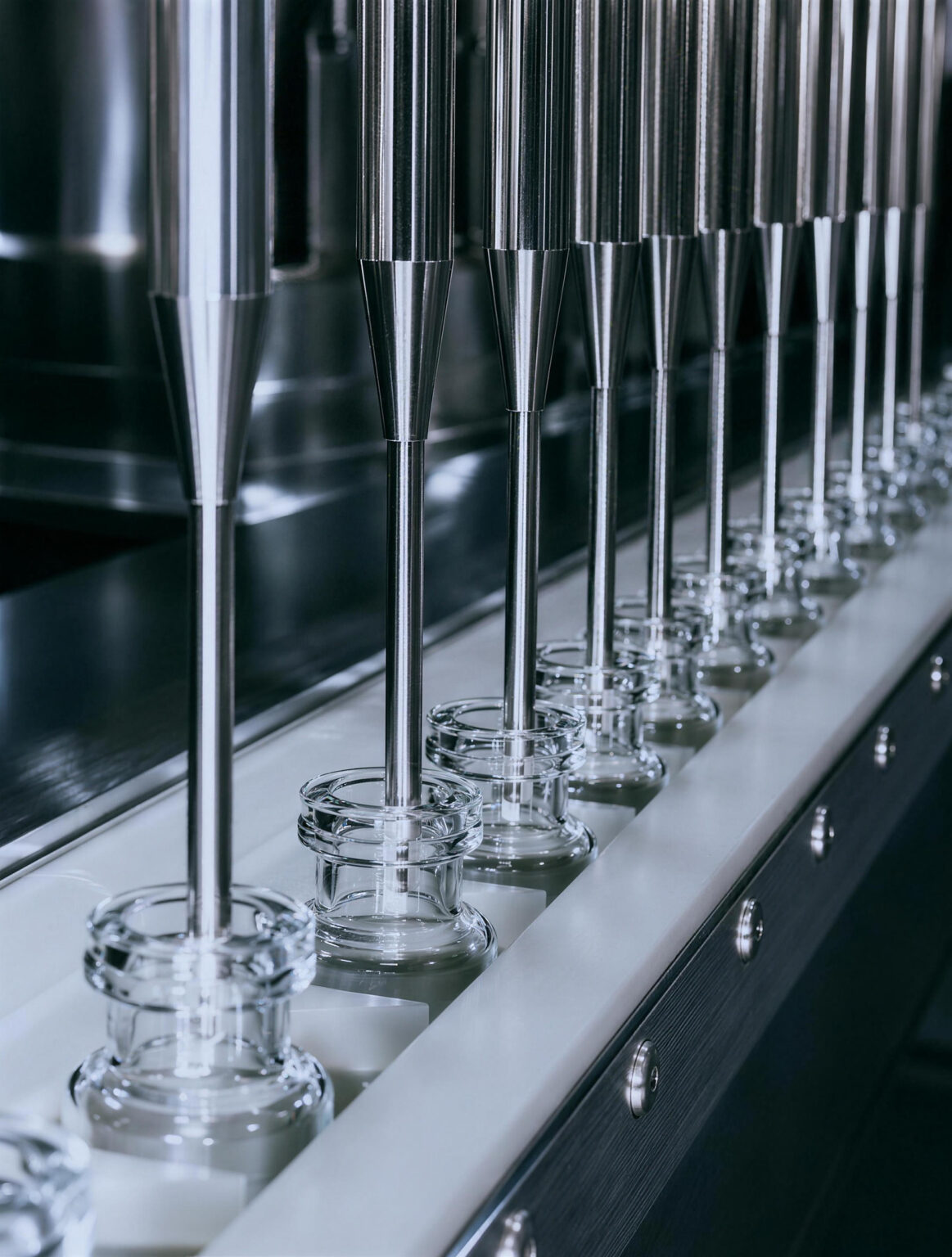
Fill-finish is where drug substance becomes drug product — and where the revised EU GMP Annex 1 has made automation a regulatory requirement, not just an efficiency preference. Our Process Automation Engineers configure DCS and MES for aseptic filling environments as an integrated system: DCS controlling the filling line, the lyophiliser and the supporting process equipment in real time; MES executing the batch recipe, capturing every in-process result and building the electronic batch record that QA needs to release the batch. The two systems are configured to talk to each other — so that a DCS event triggers the correct MES workflow and the batch record reflects exactly what happened on the line, automatically.
Buffer & Media Preparation
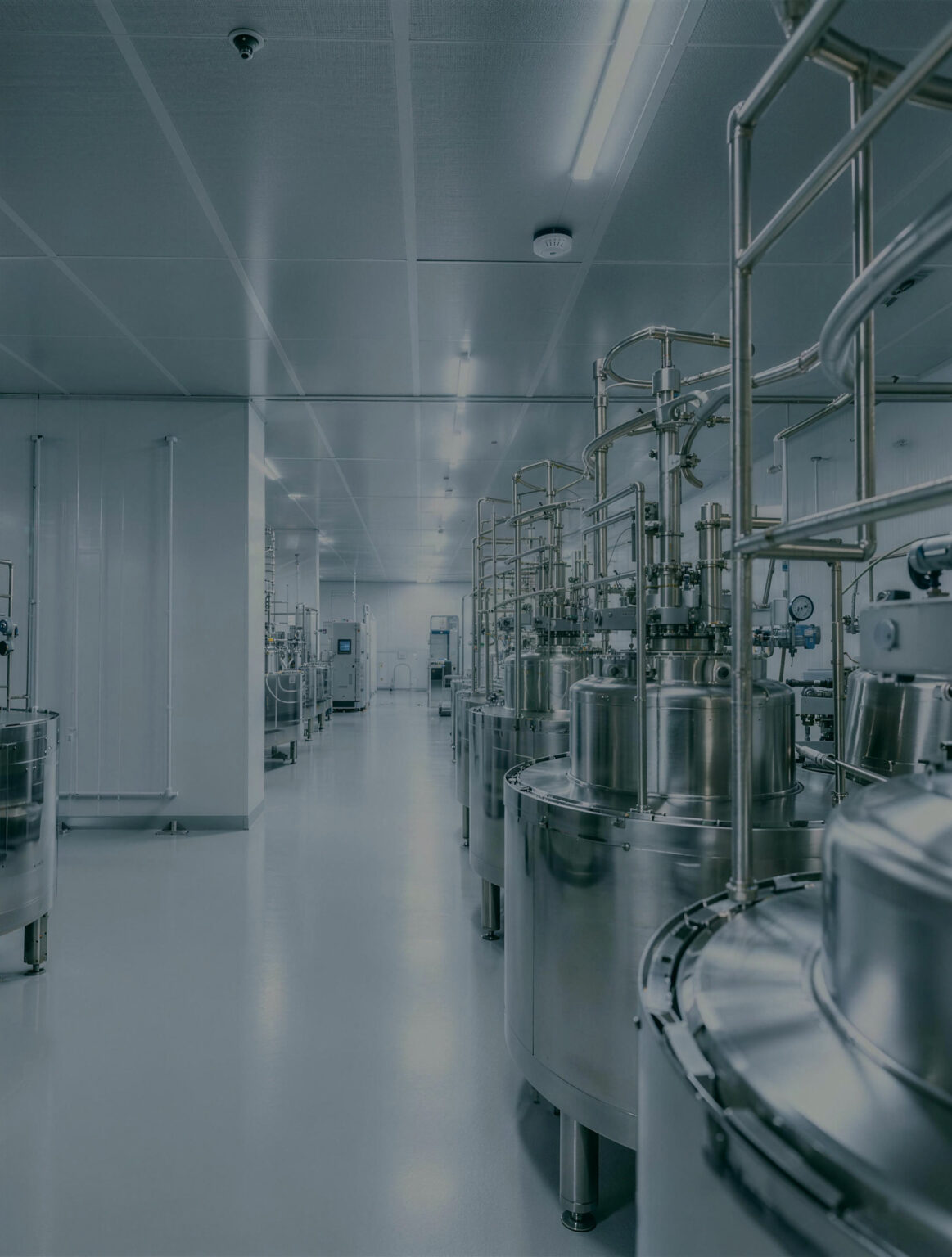
Buffer and media preparation is treated as background infrastructure at most facilities. It is not. When the ILD control logic is wrong, the solution going into the downstream column is wrong. When the MES recipe for a media make does not capture the right raw material lot, the batch genealogy has a gap. We configure DCS and MES for buffer and media preparation as primary process systems — the same level of control engineering, recipe management and data integrity attention as the bioreactor or the filling line.
The division between DCS and MES here is clean and important. MES manages weigh and dispense — the recipe, the material lot assignment, the weigh target and the electronic dispensing record. DCS manages everything that follows: WFI addition, agitation, temperature, pressure and transfer out to the process. Our Process Automation Engineers configure that interface precisely so what MES has directed the operator to dispense is what the DCS then processes — with a complete, connected record from raw material to point of use.
CIP / SIP Systems
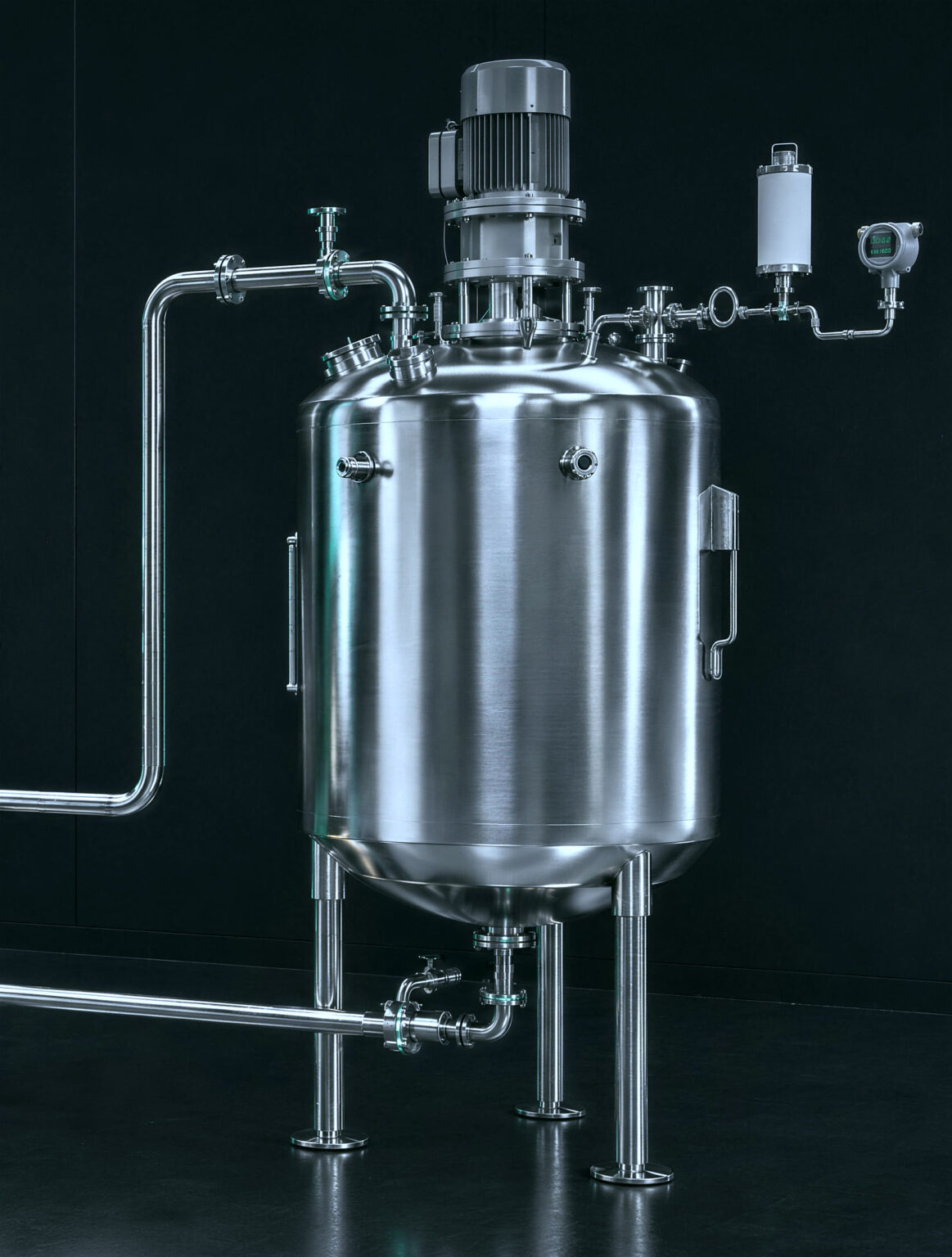
Poorly designed CIP/SIP automation is one of the most consistent sources of GMP deviation we see — and one of the most preventable. The control logic determines whether a cleaning or sterilisation cycle achieves its validated endpoints every time, or whether an operator is compensating for a sequence that does not quite work. Our Process Automation Engineers build CIP/SIP automation so the cycle runs, the endpoints are hit, the record is complete and there is no ambiguity about whether equipment was clean and sterile before the batch started.
We treat CIP and SIP as primary batch automation disciplines — ISA-88 phase logic within the DCS, validated recipes managed through MES, automated deviation detection and a DCS-MES interface that produces a complete, automatically generated cycle record. Not utility programmes written during commissioning and never properly reviewed.

Utilities — Clean & Black
Utilities are GMP-critical systems. They are not background infrastructure. When a WFI generation system drifts out of specification, when a cleanroom pressure differential deviates, when a clean steam quality excursion goes undetected — the impact lands directly on the batch, the batch record and the regulatory inspection that follows. Our Process Automation Engineers configure DCS systems for both clean and black utilities with the same rigour as the process equipment — standardised control architecture, proper alarm management and clean integration with the broader facility DCS.
A note on BMS: a Building Management System is the building-level control platform managing non-process infrastructure such as HVAC, lighting, access control and energy management. In a GMP facility the BMS sits alongside but separate from the DCS, managing the building environment rather than the process. Where BMS data needs to interface with the process DCS — for example feeding cleanroom environmental data into a broader facility control picture — we configure that interface as part of the overall automation architecture.