
Case Study
New Product Introduction into Existing CDMO Platform — Automation & MES Gap Analysis, PAT Integration and Adaptation
The Challenge
Two products. One platform. Both had to be protected simultaneously.
A leading European CDMO was onboarding a new drug product from a pharmaceutical client into an existing GMP mammalian manufacturing facility — a facility already running validated commercial processes on an established DCS and MES platform. The new product had different process requirements: different CPPs, different control ranges, different alarm logic, different MES recipe structures and different in-process monitoring requirements compared to the products the facility was already running.
Approximately 50% of tech transfers experience quality problems — making effective technology transfer a critical differentiator in the CDMO market. The CDMO needed documented evidence that the existing automation and MES could accommodate the new product’s requirements, and that any changes had been identified, assessed and planned before manufacturing began.
The adaptation work carried a specific constraint: the facility was in live commercial production on its existing products throughout. Every change to the DCS and MES had to be designed, change-controlled and implemented without affecting the validated recipes, batch records or control sequences already running on the platform. Two products. One platform. Both had to be protected simultaneously.
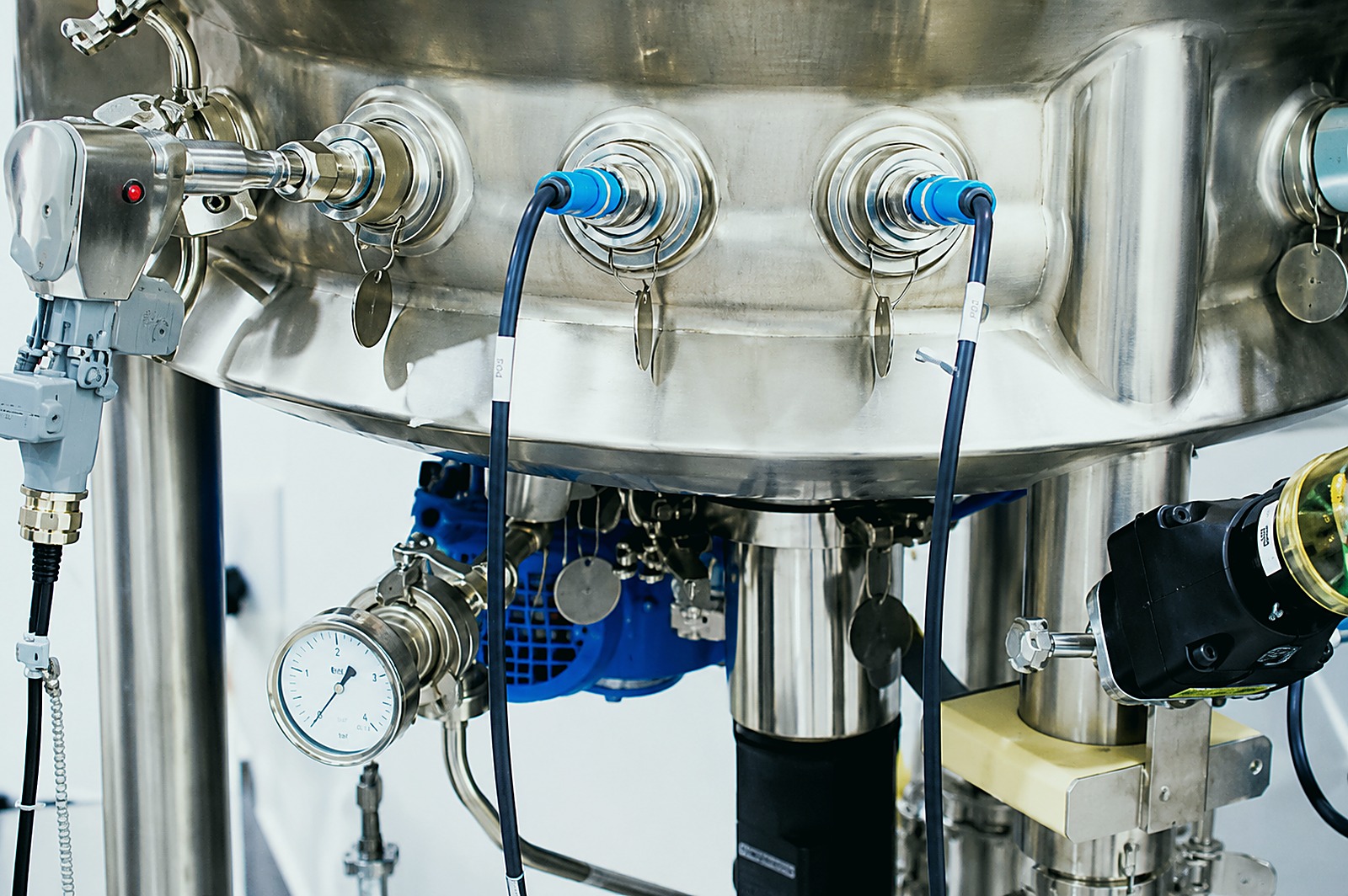
During the gap analysis, a further requirement was identified: the new product’s process required in-line Raman spectroscopy for real-time monitoring of key process parameters — a Process Analytical Technology capability not present in the existing facility configuration. A new Raman probe system had to be specified, integrated into the DCS, commissioned and tested as part of the NPI programme.
The Scope
-
Structured gap analysis — existing DCS and MES against new product requirements
Our Process Automation Engineers conducted a structured gap analysis of the existing DCS and MES configuration against the requirements of the incoming drug product — mapping every difference in CPP control ranges, alarm set points, interlock logic and MES recipe structure. Every identified gap was documented with its process impact, validation risk and proposed resolution — giving the CDMO a complete picture of the adaptation scope before a single change was made.
-
Raman in-line PAT probe — specification, DCS integration, commissioning and testing
The gap analysis identified that the new product’s process required in-line Raman spectroscopy for real-time monitoring of critical process parameters in the bioreactor — providing continuous, non-invasive measurement of key metabolites and nutrients without requiring sample withdrawal. Rockstone specified the Raman probe system, designed the DCS integration to capture Raman spectroscopy data within the DeltaV control architecture, and configured the data outputs to feed into the MES batch record in real time. The probe was commissioned and tested against the new product’s process requirements — including verification that the DCS alarm philosophy correctly responded to out-of-specification Raman readings during the process.
-
DCS adaptation — new product configuration under formal change control
DCS changes were designed and implemented under formal change control — new control modules for CPPs specific to the new product, revised alarm set points and interlock logic, and new recipe phases for the new product’s process steps. Every change was implemented alongside the existing validated configuration — not on top of it — so both products could operate on the same platform without interference. Impact assessments confirmed every existing validated recipe and batch record remained unaffected throughout.
-
MES adaptation — new product recipes and batch records
New recipe structures were built for the new product’s manufacturing process, with updated weigh and dispense configurations for new product-specific raw materials and new electronic batch record formats capturing the in-process data the new product’s regulatory filing required — including the Raman spectroscopy data stream integrated from the DCS. The new product’s recipe and batch record structure was ring-fenced from existing programmes at the MES level — separate recipe identities, separate batch genealogy and no shared workflow logic.
The Outcome
- Full scope gap analysis closed under change control
- 1st batch Raman PAT live from the first batch
- Zero deviations to existing validated products
The adapted DCS and MES configuration ran the new product’s process requirements correctly from the first engineering batch — CPPs controlled within validated parameters, Raman spectroscopy data captured in real time in the MES batch record, and no deviations attributable to automation or MES configuration gaps. The existing validated products on the platform continued to run without a single deviation to their validated state throughout the entire adaptation programme.